


Anti-Inflammatory Foods and Their Skin Benefits
Healthy, glowing skin isn’t just about what you apply—it also depends on what you eat. Inflammation is one of the main causes of common skin concerns like acne, redness, premature aging, and dullness. By incorporating anti-inflammatory foods into your diet and complementing them with the right topical care, you can support your skin from the inside out.

In this blog, we’ll explore how anti-inflammatory foods benefit your skin and how turmeric plays a dual role both in diet and in turmeric skincare products.
What is Inflammation and How Does It Affect Skin?
Inflammation is your body’s natural response to stress, toxins, or injury. However, chronic inflammation can negatively impact your skin by causing:
Acne and breakouts
Redness and irritation
Uneven skin tone
Premature aging
Reducing inflammation through diet and skincare can help maintain a clearer, healthier complexion.
Top Anti-Inflammatory Foods for Healthy Skin
1. Turmeric
Turmeric is one of the most powerful anti-inflammatory ingredients. It contains curcumin, which helps reduce inflammation and protect the skin from damage.
Skin Benefits:
Helps reduce acne and redness
Improves skin tone
Supports a natural glow
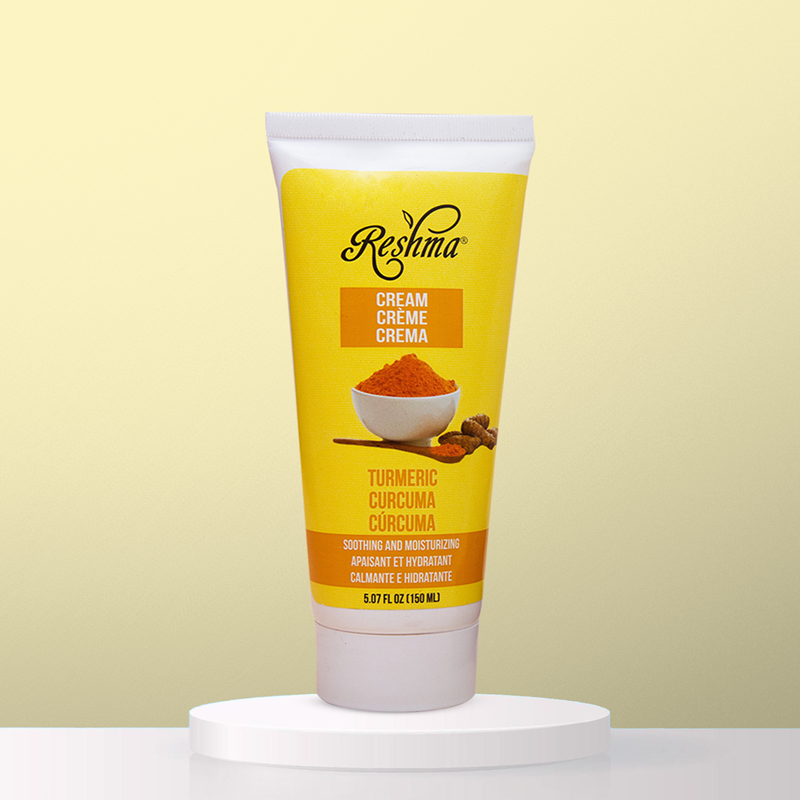
Along with consuming turmeric in your diet, using turmeric skincare products like soaps, creams, and scrubs can enhance these benefits by working directly on the skin.
2. Berries
Berries like blueberries, strawberries, and raspberries are rich in antioxidants that fight free radicals.
Skin Benefits:
Protects skin from damage
Helps maintain youthful skin
Improves skin texture
3. Leafy Greens
Spinach, kale, and other leafy greens are packed with vitamins and minerals that help reduce inflammation.
Skin Benefits:
Detoxifies the skin
Promotes a clear complexion
Supports hydration
4. Fatty Fish
Fish like salmon and mackerel are high in omega-3 fatty acids, which help reduce inflammation.
Skin Benefits:
Keeps skin moisturized
Reduces redness and irritation
Supports skin elasticity
5. Nuts and Seeds
Almonds, walnuts, chia seeds, and flaxseeds are excellent sources of healthy fats and antioxidants.
Skin Benefits:
Strengthens the skin barrier
Reduces inflammation
Improves overall skin health
Role of Turmeric in Topical Skincare
While consuming anti-inflammatory foods helps internally, topical application is equally important. This is where turmeric skincare products come into play.
Turmeric-based products work directly on the skin to:
Calm irritation and redness
Reduce acne and blemishes
Brighten dull skin
Improve overall skin tone
Using turmeric in both diet and skincare creates a balanced approach to achieving healthier skin.
Combining Diet and Skincare for Best Results
To maximize skin benefits, it’s important to combine a healthy diet with a proper skincare routine:
Include anti-inflammatory foods in your daily meals
Stay hydrated to support skin health
Use gentle, natural skincare products
Protect your skin with sunscreen
This holistic approach ensures long-term improvements in skin quality.
Conclusion
Anti-inflammatory foods play a crucial role in maintaining clear, radiant skin. From turmeric and berries to leafy greens and healthy fats, these foods help reduce internal inflammation and support overall skin health.
At the same time, incorporating turmeric skincare products into your routine can provide targeted, external benefits. Together, they create a powerful combination that promotes healthier, calmer, and naturally glowing skin from the inside out.


Comments